Herniated disc? Sciatica? Chronic back pain? Dr. Rob Kelch uses the FDA-cleared Chattanooga Triton to decompress your spine without surgery, drugs, or downtime. Most patients feel relief within the first few sessions.
I had a herniated disc and was told surgery was my only option. After 16 sessions with Dr. Kelch on the decompression table, I was back to work pain-free. Saved me from going under the knife.
— David M., Dunlap IL ★★★★★
Understanding Decompression
What Is Spinal Decompression?
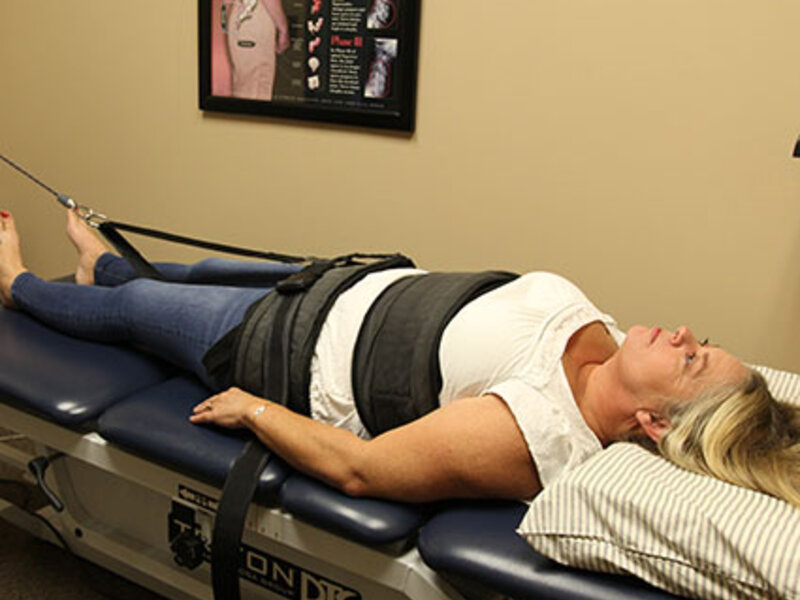
Spinal decompression therapy is a non-surgical treatment that gently stretches the spine to relieve pressure on compressed discs and nerves. Using the FDA-cleared Chattanooga Triton — a computer-controlled traction table — we create negative pressure within the discs, allowing herniated or bulging material to retract and drawing healing nutrients back in.
Unlike traditional manual traction, the Chattanooga Triton uses precisely programmed pulling forces that cycle between stretching and relaxation. This prevents your muscles from guarding against the treatment, making it both more comfortable and more effective.
At Absolute Wellness, Dr. Rob Kelch brings over 15 years of chiropractic experience to every decompression treatment — combining the Chattanooga Triton with a personalized approach to care that addresses your specific condition, not just your symptoms.
Equipment Used
FDA-Cleared Chattanooga Triton
What We Treat
Conditions Helped by Spinal Decompression
The Chattanooga Triton is clinically effective for a wide range of disc and nerve conditions — especially those that haven't responded to standard chiropractic care, physical therapy, or medication.
01
Herniated Discs
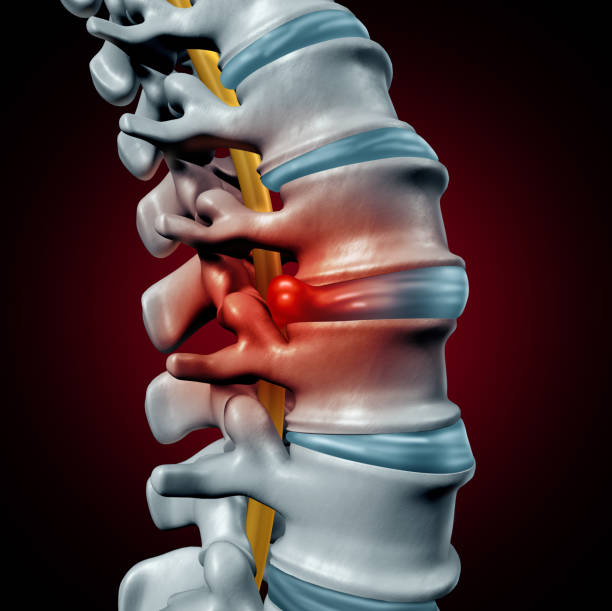
When soft inner disc material pushes through the outer layer, it compresses nerves and causes severe pain. Chattanooga Triton decompression creates negative pressure that helps retract herniated material.
Lumbar herniation (lower back)
Cervical herniation (neck)
Disc protrusions and extrusions
Nerve root compression
02
Bulging Discs
Bulging discs extend beyond their normal boundary and can cause significant pain and nerve irritation. Decompression gently pulls the disc back toward its proper position.
Disc bulges at any spinal level
Multi-level bulging
Age-related disc changes
Chronic disc degeneration
03
Sciatica
Shooting pain down your leg from compression of the sciatic nerve. Decompression relieves pressure on the nerve roots, reducing pain, numbness, and tingling in your legs and feet.
Radiating leg pain
Numbness and tingling
Weakness in legs or feet
Difficulty walking or standing
04
Degenerative Disc Disease
As discs wear down with age, they lose height and hydration. Decompression creates space for nutrient-rich fluids to re-enter the disc, supporting natural healing and long-term relief.
Age-related disc wear
Loss of disc height
Chronic back pain
Reduced flexibility
05
Spinal Stenosis & Pinched Nerves
When narrowing of the spinal canal or vertebral compression pinches nerves, it causes pain, numbness, and weakness. Decompression creates space to relieve that pressure.
Lumbar and cervical stenosis
Radiculopathy
Arm or leg pain from nerve compression
Facet syndrome
06
Failed Back Surgery Syndrome
Still in pain after back surgery? Some post-surgical patients are candidates for decompression. Patients with spinal fusion or surgical hardware usually are not, so Dr. Kelch reviews your surgical history and imaging before recommending treatment.
Post-surgical persistent pain
Scar tissue complications
Recurrent disc problems
Screening required before treatment
The Science
How the Chattanooga Triton Works
The Chattanooga Triton uses precisely programmed traction to create negative pressure inside your spinal discs — pulling herniated material back in and allowing healing fluids to flow into damaged tissue.
1
Gentle Stretching
You lie comfortably on the Chattanooga Triton table. A harness applies gentle, computer-controlled traction to your spine in precise cycles — no sudden force, no jarring movements.
2
Negative Pressure
The controlled stretching creates negative intradiscal pressure — essentially a suction effect that draws herniated or bulging disc material back toward its natural position.
3
Nutrient Rehydration
The same negative pressure draws oxygen, water, and nutrient-rich fluids back into the damaged disc — supporting natural repair of disc tissue that has poor blood supply on its own.
4
Lasting Pain Relief
As disc pressure on nerves is reduced and disc tissue heals, inflammation drops and pain subsides. Most patients feel meaningful improvement within the first few sessions.
Your Treatment
What to Expect at Your Appointments
Step 1: Comprehensive Evaluation
Dr. Kelch reviews your medical history, symptoms, and any existing imaging (MRI or X-rays). He determines whether Chattanooga Triton decompression is right for your specific condition — and if so, customizes your treatment parameters.
Step 2: Comfortable Positioning
You lie fully clothed on the Chattanooga Triton table. A comfortable harness is fitted around your hips for lumbar (lower back) treatment or your neck for cervical treatment.
Step 3: 20–30 Minute Session
The table cycles gently between stretching and relaxation. Most patients read, listen to music, or fall asleep. It's that comfortable.
Step 4: Treatment Series
Most patients need 12–20 sessions over 6–10 weeks, scheduled 2–3 times per week. Dr. Kelch will map out your full plan at your first visit so there are no surprises.
Step 5: Combined Care
We typically combine decompression with chiropractic adjustments, therapeutic exercises, and lifestyle guidance. The combination produces better long-term outcomes than decompression alone.
Non-Surgical Alternative
Avoid the risks, costs, and months of recovery from back surgery. Decompression therapy is non-invasive, drug-free, and effective for many of the same conditions — at a fraction of the cost.
★★★★★
"Six months of sciatica pain, two pain specialists, cortisone shots — nothing worked. Dr. Kelch's decompression therapy fixed it in 5 weeks. I wish I'd gone to him first."
— Lisa T., Peoria Heights IL
★★★★★
"My MRI showed two herniated discs at L4-L5. My orthopedist recommended surgery. After 18 decompression sessions with Dr. Kelch, I cancelled the surgery. My follow-up MRI showed significant improvement."
— Tom R., Dunlap IL
Is It Right For You?
Who Is a Good Candidate for Spinal Decompression?
Spinal decompression helps many people with disc-related back and neck pain, but it isn't right for everyone. Dr. Kelch screens every patient with a health history, exam, and review of any MRI or X-rays before recommending treatment. If decompression isn't a good fit, he'll tell you and help you find the right next step.
You may be a good candidate if you have:
A herniated, bulging, or protruding disc in your lower back or neck
Sciatica or radiating arm or leg pain from nerve compression
Degenerative disc disease
Back or neck pain lasting more than a few weeks
Pain that hasn't improved with rest, medication, or physical therapy
A wish to explore non-surgical options before considering surgery
Decompression is usually not recommended if you have:
A spinal fracture
A spinal tumor or active cancer affecting the spine
Advanced osteoporosis
Pregnancy
Spinal fusion, rods, screws, or other surgical hardware
Spinal infection or certain inflammatory conditions
This list isn't complete. Bring your imaging and a list of your medications to your first visit, and Dr. Kelch will go over your history in detail. If you have sudden loss of bladder or bowel control, or rapidly worsening leg weakness, seek emergency care right away.
Weighing Your Options
Decompression vs. Injections vs. Surgery vs. Traction
If you're dealing with a herniated disc or sciatica, you've probably heard about several treatment options. Here's an honest look at how they compare, so you can make the choice that's right for you.
Comparison of spinal decompression, epidural steroid injections, back surgery, and regular traction
Spinal Decompression
Epidural Steroid Injection
Back Surgery
Regular Traction
What it is
Computer-controlled stretching of the spine on a specialized table
Steroid medication injected near the irritated nerve
Surgical removal of disc material (discectomy) or fusing vertebrae
Steady or manual pulling on the spine
Goal
Reduce pressure on discs and nerves
Reduce nerve inflammation and pain
Physically remove what's pressing on the nerve
Separate the vertebrae to ease pressure
Invasive?
No
Minimally (needle)
Yes
No
Medication
None
Corticosteroid, often with a numbing agent
Anesthesia, often pain medication during recovery
None
Downtime
None; most people return to normal activities the same day
Usually rest for the day of the injection
Weeks to months, depending on the procedure
None
Typical course
12–20 sessions, 2–3 per week
1 injection, sometimes repeated; usually limited to a few per year
One procedure plus rehab
Varies
Main risks
Temporary soreness; not suitable for everyone (see above)
Infection, headache, temporary pain flare, side effects of repeated steroid use
Infection, nerve injury, anesthesia risks, scar tissue, need for further surgery
Muscle guarding can limit its effect; temporary soreness
Best suited for
Disc-related pain in people who want a non-surgical, drug-free option
Short-term relief of nerve inflammation, often alongside other care
Severe or progressive nerve damage, or cases that don't respond to conservative care
Mild cases and general stretching
← Swipe the table to see all options →
These options aren't always either/or. Some patients use decompression after an injection, and some still need surgery. Decompression is often tried before surgery because it's non-invasive. If you have severe or worsening weakness, or loss of bladder or bowel control, surgery may be the right call, and Dr. Kelch will refer you.
Decompression vs. regular traction: what's the difference?
Both stretch the spine, but they work differently. Regular traction applies a steady or manual pull, and your back muscles tend to tighten up against it, a reflex called muscle guarding. The Chattanooga Triton uses computer-controlled cycles that gradually increase and release the pull, which helps keep muscles relaxed so the stretch can reach the disc. The table can also be adjusted for your height, body weight, and the specific level of your spine being treated.
The Benefits
Why Choose Spinal Decompression?
Immediate benefits
Reduced pain and nerve pressure
Relief from sciatica symptoms
Improved mobility and flexibility
No downtime or recovery period
Drug-free, non-surgical pain relief
Most patients feel improvement within 3–5 sessions
Long-term benefits
Targets the disc pressure behind your pain, not just the symptoms
Avoid or delay back surgery
Return to normal daily activities
Lower your risk of flare-ups with home exercises and posture habits
Results lasting years when combined with maintenance care
Fraction of the cost of surgery
Cost & Insurance
How Much Does Spinal Decompression Cost in Peoria?
Your first step is our $49 new patient visit: a consultation, a full exam, X-rays if needed, and your first adjustment. Dr. Kelch reviews any MRI you already have, tells you whether decompression is a good fit, and lays out how many sessions he recommends and what the full plan will cost before you start. No surprises halfway through.
The total depends on how many sessions you need. Most patients need 12–20 visits. That's usually far less than the cost of surgery, injections, and time off work.
Does insurance cover spinal decompression?
Many insurance plans, including Medicare, don't pay for the decompression table itself, though they may cover the chiropractic adjustments that are part of your care. Coverage varies by plan, so call (309) 693-8448 and we'll explain what to expect for your situation. We do not accept Medicaid.
Does spinal decompression actually work?
Research on decompression is still growing, and results vary from person to person. It tends to help most with disc-related pain, like a herniated or bulging disc or sciatica, especially when it's combined with adjustments and home exercises. That's why Dr. Kelch screens every patient first and tracks your progress along the way. If you aren't improving, he'll tell you and help you find the right next step.
Why Choose Us
What Makes Absolute Wellness Different
✓
FDA-Cleared Chattanooga Triton
We use the Chattanooga Triton — a proven, computer-controlled decompression table with precise traction settings tailored to your specific condition. Not all decompression tables are equal.
✓
15+ Years of Experience
Dr. Kelch brings over 15 years of chiropractic experience to every decompression case. He takes the time to understand your specific condition and dials in the Chattanooga Triton settings for you — not a one-size-fits-all protocol.
✓
Comprehensive Approach
We combine Chattanooga Triton decompression with chiropractic adjustments, therapeutic exercises, and lifestyle coaching for superior long-term results.
✓
Honest Candidate Screening
Decompression isn't right for everyone. Dr. Kelch screens every patient first and will tell you straight if another option would serve you better — before you commit to a treatment plan.
Serving the Peoria Area
Spinal Decompression Near Dunlap, Peoria Heights & Pekin
Our Chattanooga Triton table is at our North Peoria office, 2627 W. Altorfer Dr. Patients come from all over the area for decompression, including Peoria Heights, Dunlap, Chillicothe, East Peoria, Morton, Pekin, Bartonville, Germantown Hills, Metamora, Edwards, and Washington. With 2–3 visits a week, a nearby office makes it much easier to finish your plan.
Have a question about spinal decompression therapy in Peoria? Call us at (309) 693-8448 — we're happy to answer anything before you book.
Spinal decompression is a non-surgical treatment that uses the FDA-cleared Chattanooga Triton — a computer-controlled traction table — to gently stretch the spine, creating negative pressure inside the discs. This allows herniated or bulging material to retract, relieving pressure on nerves and drawing healing nutrients back in. At Absolute Wellness in Peoria, we use the Chattanooga Triton for safe, effective relief from disc-related conditions.
No, spinal decompression shouldn't hurt. The Chattanooga Triton applies gentle, gradual traction in smooth cycles — no sudden force, no jarring. Most patients find it deeply relaxing, and many fall asleep during treatment.
A full course typically involves 12–20 sessions over 6–10 weeks, scheduled 2–3 times per week. Many patients notice improvement within the first few sessions, with results continuing to build as discs heal. Dr. Kelch will recommend a personalized plan at your $49 initial exam.
It depends on how many sessions you need, usually 12–20. Start with our $49 new patient visit (consultation, exam, X-rays if needed, and first adjustment). Dr. Kelch will tell you whether you're a candidate and give you the full cost of your plan before you begin.
Many plans, including Medicare, don't cover the decompression table itself, but they may cover the chiropractic adjustments that are part of your care. Call (309) 693-8448 and we'll explain what to expect. We do not accept Medicaid.
Decompression is generally not recommended for patients with spinal fractures, tumors, advanced osteoporosis, pregnancy, spinal fusion or surgical hardware, spinal infection, or certain other conditions. Dr. Kelch screens every patient with a history, exam, and imaging review before recommending treatment. See who is a good candidate →
The Chattanooga Triton at our Peoria clinic can help with herniated discs, bulging discs, degenerative disc disease, sciatica, spinal stenosis, pinched nerves, facet syndrome, and chronic lower back and neck pain. Some patients who've had back surgery but are still in pain can be candidates too, though not those with fusion or hardware. Dr. Kelch will determine whether you're a good candidate at your initial consultation.
When combined with chiropractic adjustments, therapeutic exercises, and lifestyle guidance, results can be long-lasting — often years. The key is addressing the underlying disc problem rather than just masking symptoms. Completing the full course of treatment and following Dr. Kelch's maintenance recommendations gives the best outcome.
Yes — and it's the recommended approach at Absolute Wellness. Chiropractic adjustments restore proper spinal alignment while decompression relieves disc pressure. The combination produces better outcomes than either treatment alone. Many of our Peoria patients receive both during the same visit.
Yes. The Chattanooga Triton performs both lumbar (lower back) and cervical (neck) decompression. Cervical decompression is effective for neck herniated discs, pinched nerves causing arm pain or numbness, cervical degenerative disc disease, and headaches related to cervical disc problems. Dr. Kelch will assess whether cervical decompression is appropriate for your condition.
Not always. If you already have an MRI or X-rays, bring them. If Dr. Kelch needs X-rays, they're included in the $49 new patient visit, and he'll let you know if an MRI would help.
Many patients notice improvement within the first 3–5 sessions. Disc healing takes longer, which is why a full plan is usually 6–10 weeks.
$49 New Patient Special includes a full consultation, comprehensive exam, X-rays if needed, and your first adjustment — a $250 value. Same-day appointments available.